

Description
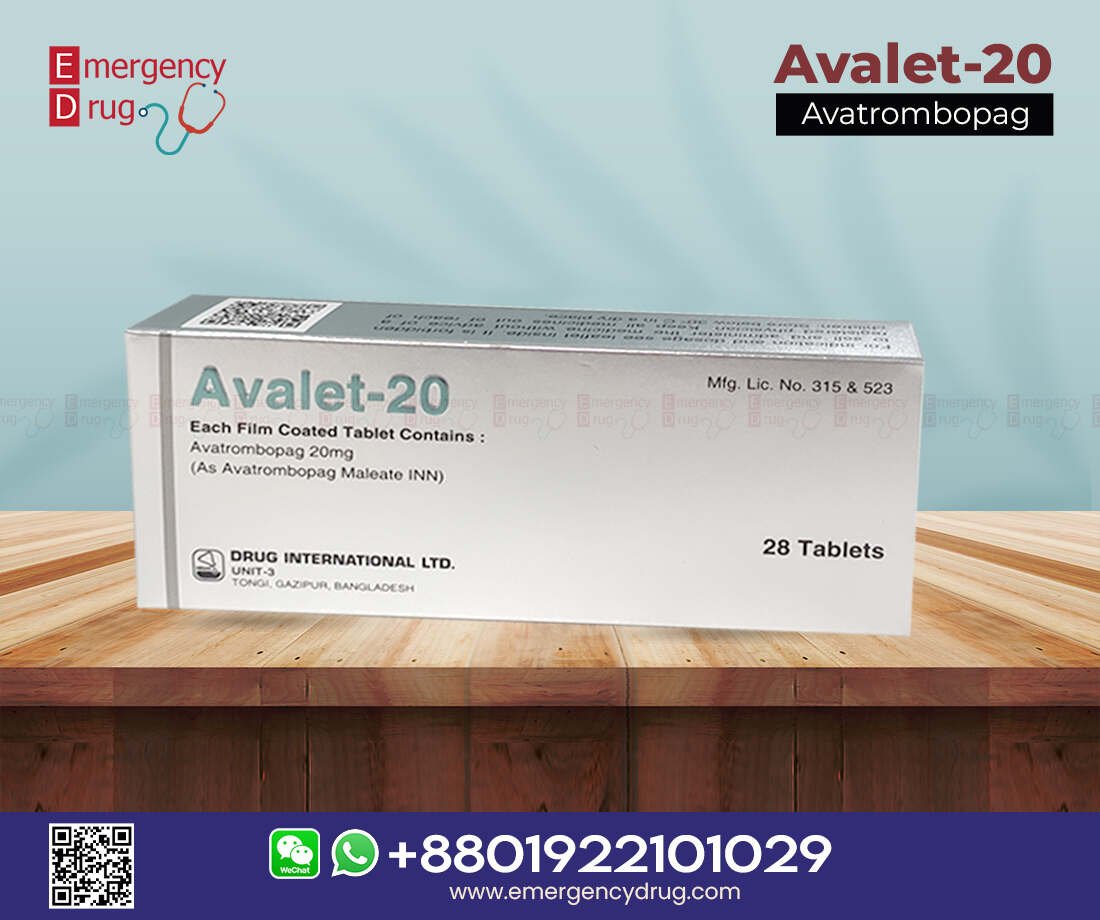
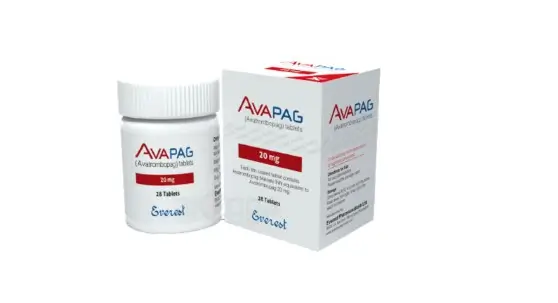
Avapag 20 mg (Avatrombopag)
If you’ve been prescribed Avapag 20 mg, you’re probably wondering two simple things: what exactly it does, and what you should watch out for while taking it.
Avapag 20 mg is commonly used to manage acid-related stomach problems, the kind that show up as burning in the chest, sour burps, nausea after meals, or persistent upper-belly discomfort. For many people, it’s the medication that finally makes eating feel “normal” again.
That said, it still deserves a careful, informed approach. Medicines that reduce stomach acid can be extremely helpful, but they should be taken the right way, for the right reason, and for the right duration.
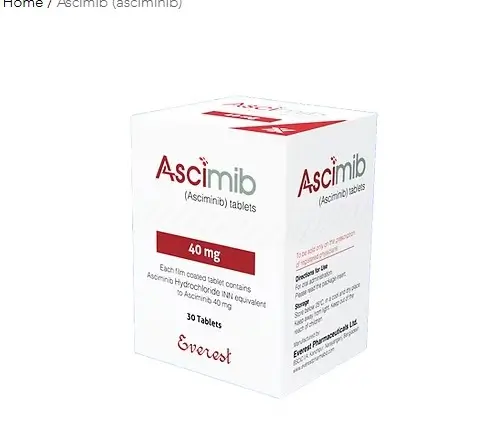
Manufactured by Everest Pharmaceuticals Ltd., Avapag 20 mgfollows global quality standards and is supplied worldwide by Emergency Drug. In this guide, I’ll walk you through what Avapag 20 mg is typically used for, how it works, how to take it correctly, side effects, interactions, and the practical tips that make a real difference.
What is Avapag 20 mg?
Avapag 20 mg (Avatrombopag) is a prescription medicine generally used for acidity and acid reflux-related conditions. In many markets, brands like Avapag at 20 mg strength are commonly associated with a proton pump inhibitor (PPI) class drug (often rabeprazole 20 mg in some regions), though the exact active ingredient can vary by country and manufacturer.
Because brand formulations differ, the safest move is to confirm the active ingredient on your strip/box, or ask your pharmacist or doctor. Everything else, like dose timing and interactions, can depend on what the “20 mg” actually refers to.
Even so, the overall purpose remains similar: reduce stomach acid to relieve symptoms and allow the stomach and food pipe lining to heal.
What is Avapag 20 mg used for?
Doctors usually prescribe Avapag 20 mg for conditions where excess acid is irritating or damaging the upper digestive tract. The most common uses include:
Acid reflux (GERD)
GERD happens when stomach acid repeatedly flows back into the food pipe (esophagus), causing heartburn, chest burning, bitter taste, or throat irritation. Avapag reduces acid, which reduces burn and inflammation.
Gastritis
Gastritis is irritation or inflammation of the stomach lining, often felt as upper abdominal pain, bloating, nausea, or discomfort after eating. Lower acid gives the stomach lining a chance to settle and heal.
Stomach ulcers and duodenal ulcers
Ulcers are sores in the stomach or upper small intestine. Reducing acid helps ulcers heal and reduces pain, especially the classic “empty stomach burning” some people get.
H. pylori infection (as part of combination therapy)
If your doctor suspects or confirms H. pylori, Avapag may be used with antibiotics. The acid reduction helps antibiotics work better and supports ulcer healing.
Prevention of ulcers caused by painkillers (NSAIDs)
If you need long-term NSAIDs (like ibuprofen, naproxen, or certain arthritis meds), your doctor might add Avapag to reduce ulcer risk.
How Avapag 20 mg works
Your stomach makes acid to help digest food. But when acid is too much, or when the valve between the stomach and food pipe is weak, that acid starts causing trouble.
Avapag (if it is a PPI-type medicine) works by blocking the final step of acid production in the stomach’s acid-making cells. The result is a significant reduction in acid levels for many hours, which helps:
- Reduce burning and pain
- Heal inflamed tissue
- Prevent further damage while your body repairs itself
This is why PPIs tend to work best when taken correctly and consistently, especially for healing conditions like ulcers or erosive reflux.
How to take Avapag 20 mg correctly
This is where people often get the best or worst results. Timing matters.
Most doctors advise:
Take Avapag 20 mg once daily, 30 to 60 minutes before food, usually before breakfast.
That timing is important because the medicine is most effective when the stomach is preparing to produce acid for a meal. Taking it randomly after lunch or at bedtime may still help, but it often helps less.
Swallowing tips
Swallow the tablet whole with water. Do not crush, chew, or split it unless your doctor specifically tells you to. Many acid-reducing medicines have special coatings that protect them from stomach acid until they can be absorbed properly.
If you miss a dose
Take it when you remember if it’s still the same day. If it’s close to your next dose, skip the missed one. Don’t double up.
How long will you need it?
This depends on the condition:
For simple reflux symptoms, some people take it for a short course. For ulcers, healing regimens can run longer. For H. pylori, it’s typically part of a defined combination plan.
Don’t stop early just because you feel better, but also don’t continue indefinitely without follow-up. If symptoms keep returning, that’s a signal to reassess the cause rather than just staying on acid suppression forever.
How fast does Avapag 20 mg work?
Some people feel relief within a few hours, but for many, the real improvement builds over several days.
For reflux or gastritis symptoms, it often takes 2 to 4 days to notice stronger symptom control. For ulcers or more severe irritation, healing can take weeks even if pain improves sooner.
If you’ve taken it properly for a week and feel zero improvement, tell your doctor. You may need a different approach, additional testing, or a different diagnosis.
Common side effects of Avapag 20 mg
Many people take Avapag without major issues, but side effects can happen. Common ones are usually mild and temporary:
You might notice headache, nausea, diarrhea, constipation, gas, bloating, or stomach discomfort. Some people also report mild dizziness or changes in appetite.
If side effects are mild, they often settle as your body adjusts. If they’re persistent or uncomfortable, it’s worth discussing an alternative.
Serious side effects
Serious effects are less common, but you should treat these as important:
If you develop severe persistent diarrhea, especially watery diarrhea with cramps or fever, contact your doctor. Long-term or heavy acid suppression can rarely increase the risk of certain intestinal infections.
Seek help if you notice swelling of face/lips, trouble breathing, severe rash, or hives, which may suggest an allergic reaction.
Also contact your doctor if you have symptoms that suggest bleeding or significant stomach issues, such as black stools, vomiting blood, unexplained weight loss, difficulty swallowing, or ongoing vomiting. These are not “normal acidity symptoms” and need evaluation.
Who should be careful with Avapag 20 mg?
Avapag can be appropriate for many adults, but certain situations require extra caution or dose planning.
Pregnancy and breastfeeding
Always ask your doctor before using Avapag in pregnancy or while breastfeeding. Some acid-lowering medicines are commonly used under medical guidance, but the choice depends on your health history and the specific active ingredient.
Liver problems
Some PPIs and similar medicines are processed in the liver. If you have liver disease, your doctor may adjust the dose or monitor you more closely.
Older adults and long-term use
Long-term use of strong acid suppressants can be linked with nutrient absorption issues (like magnesium or vitamin B12), and in certain cases may affect bone health. This does not mean you should fear the medicine, but it does mean you should avoid unnecessary long-term use without review.
Drug interactions: what to tell your doctor
Before starting Avapag 20 mg, tell your doctor about all prescription drugs, supplements, and herbal products you take.
Acid-suppressing medicines can interfere with how some drugs are absorbed. Examples that may require special attention include certain antifungals, some HIV medications, and medications where stomach acidity affects absorption.
Also mention if you take blood thinners, anti-platelet drugs, or long-term NSAID painkillers. Your doctor may be prescribing Avapag specifically to protect your stomach, but they still need the full picture.
If your Avapag contains a PPI, there can be interactions with drugs metabolized through certain liver enzymes. Don’t self-adjust doses. Just share your medication list and let your clinician handle it.
Food, habits, and small changes that make Avapag work better
Avapag can be very effective, but reflux and acidity are often lifestyle-sensitive. You don’t need a perfect diet. You just need to notice your triggers.
A few practical changes often help a lot:
Avoid lying down right after eating and try to keep a gap of 2 to 3 hours between dinner and bedtime. If nighttime reflux is a big issue, raising the head end of the bed slightly can help.
Also, keep an eye on common triggers like very spicy meals, large late-night meals, excess tea or coffee, chocolate, mint, carbonated drinks, and alcohol. Not everyone reacts to all of these, so it’s better to identify your own top two or three triggers instead of banning everything.
If you smoke, reducing or quitting often improves reflux more than people expect, because smoking can weaken the valve that prevents acid backflow.
Can you take Avapag 20 mg with other acidity medicines?
Sometimes doctors combine medicines, but don’t stack them on your own.
If you’re taking Avapag (especially a PPI), adding an antacid occasionally for breakthrough symptoms is sometimes allowed, but you should separate the timing if advised. H2 blockers (another acid reducer class) are sometimes used differently, but combining routinely without guidance is not a great idea.
If you still need frequent “rescue” antacids, it may mean the dose timing needs adjusting or the diagnosis needs confirmation.
When should you see a doctor again?
If you’re using Avapag 20 mg and symptoms are not improving, or they return immediately when you stop, it’s time to revisit the plan. Acid symptoms can overlap with other conditions, including gallbladder issues, ulcers, medication irritation, or even heart-related pain in some cases.
You should also get evaluated sooner if you have any warning signs such as trouble swallowing, unintentional weight loss, anemia, blood in vomit or stool, or persistent vomiting.
A quick note on self-medicating and long-term use
It’s tempting to treat acidity like a “take this whenever” problem. But if you’ve needed a 20 mg acid reducer for weeks or months, you deserve a proper diagnosis.
Long-term acid suppression can be appropriate for certain conditions, but it should be intentional. A good doctor will aim for the lowest effective dose, review whether you still need it, and check for underlying causes like H. pylori, NSAID use, or dietary factors.
Let’s wrap up
Avapag 20 mg (Avatrombopag) is widely used for reflux, gastritis, and ulcer-related issues because it reduces stomach acid and gives inflamed tissue time to heal. The biggest difference in results usually comes down to simple habits: taking it before food, sticking to the course your doctor recommended, and avoiding the triggers that keep restarting the irritation.
If you’re unsure what Avapag contains in your region, check the active ingredient on the pack and confirm with your pharmacist. That small step makes all the safety advice much more precise.