


Description
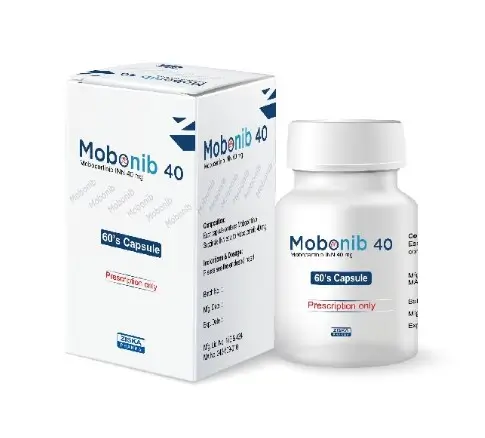
Mobonib 40 mg (Mobocertinib) is a new targeted anti-cancer medicine for the treatment of certain forms of non-small cell lung cancer (NSCLC). This new treatment has a new active ingredient called mobocertinib succinate and is intended exclusively to treat tumours caused by EGFR exon 20 insertion mutations, which are rare but aggressive genetic changes that can develop in some people with lung cancer.
Mobonib 40 mg is a new class of targeted anticancer drug, which works directly at the molecular level, produced by Ziska Pharmaceuticals Limited. Mobonib is a more selective therapy than traditional chemotherapy that indiscriminately attacks healthy and diseased cells to restrict the growth of tumours. Mobonib blocks abnormal cancer-driving pathways.
Mobonib 40 mg is often used in adult patients with locally advanced or metastatic NSCLC who have not responded to earlier platinum-based treatment. Precision targeting of this medicine has made it a key treatment option for patients with limited options.
What Is Mobocertinib?
Mobocertinib is an oral kinase inhibitor that selectively targets epidermal growth factor receptor (EGFR) mutations. The growth and survival of some cancer cells is strongly influenced by EGFR mutations.
Of these changes, insertion mutations in EGFR exon 20 are particularly difficult to target with currently available EGFR drugs. To combat this problem mobocertinib was developed to bind well to the mutant receptor and inhibit signalling in cancer cells.
This particular inhibitor could be of help:
- Cancer cell growth halted
- Slowly developing tumour
- Stop cancer cells from spreading
- Optimise the care of patients with advanced NSCLC
The new therapy is accessible in the easy oral capsule form of Mobonib 40 mg for patients.
How Mobonib 40 mg Works?
The active chemical component of Mobonib 40 mg blocks the abnormal activation of the EGFR protein which causes cancer growth. This mechanism is essential for proliferation and survival of cancer cells with EGFR exon 20 insertion mutations.
Following delivery, mobocertinib is absorbed into the bloodstream and selectively binds to the mutant EGFR receptor. This interrupts the intracellular signalling mechanisms that lead to uncontrolled proliferation of cancer cells.
Mobonib can help to suppress those signals:
- Inhibits cancer cell growth
- Slow-growing tumour
- delayed progression of disease
- Long-term management of back pain
This customised mechanism makes it more focused on the mutations that promote cancer and so it is a good alternative in precision oncology therapy procedures.
Indications and Usage
Mobonib 40 mg is used for treating Non-Small Cell Lung Cancer.
Indications for use of this medicine:
- NSCLC in adults
- Patients with metastatic non-small cell lung cancer
- Patients with EGFR exon 20 insertion mutation in tumours
- Previous platinum-based chemotherapy.
Patients must have a confirmed EGFR exon 20 insertion mutation by molecular diagnostic testing before treatment. This helps to ensure that the therapy is appropriate and likely to be of therapeutic benefit .
Treatment is mutation specific and should only be initiated under the supervision of an experienced oncologist.
Benefits of Mobonib 40 mg
Mobonib 40 mg provides many key benefits for the eligible lung cancer patients.
Focused Precision Therapy
Standard chemotherapy kills cancer cells, but also kills healthy cells. Mobonib is another one. It searches for the genetic fault that is the reason cancer can thrive.
Oral Capsule Convenience
You take the medicine by mouth, so you don’t have to have lots of chemotherapy through a vein, and it’s easier to monitor your treatment.”
For mutations difficult to treat
Treatment of EGFR exon 20 insertion mutations has proved challenging in the past. Mobocertinib was developed to address this unmet clinical need.
Innovations in Advanced Oncology
Mobonib embodies the latest advances of molecular oncology and personalised ways of cancer therapy.
Potential for disease control
The medicine may disrupt cancer-driving processes, which could help slow disease development and improve clinical outcomes in suitable people.
Dosage And Administration
Take Mobonib 40 mg as prescribed by your healthcare professional.
General Administrative Policy
- Take the pills by mouth with water
- Swallow the capsules whole. Do not open or chew the capsules.
- May be taken with or without food.
- Take every day at the same time for consistency
- Use as instructed.
The exact dose and schedule of treatment depends on:
- Patient health status
- Tumour development
- Response to treatment
- Negative reactions
- Other medicines taken with this
Patients should not adjust the dose without consulting their doctor.
Important Safety Information
Mobonib 40 mg is a powerful anti-cancer medicine and needs to be monitored closely for the entire course of treatment.
Warnings and Precautions
Patients should inform their doctor if they have:
- Respiratory sickness or breathing problems
- Heart rhythm problems
- Liver injury
- Electrolyte disturbance
- Previous gastrointestinal disease
General medical examination: may include:
- Labs.
- Heart rate monitoring
- Liver function tests
- Listen to the lungs
Close monitoring reduces the chance of major side effects and ensures that therapy may be continued safely.
Potential harmful effects
As with most targeted cancer drugs, Mobonib 40 mg might cause side effects that are moderate to severe.
Common side effects
Patients may present with:
- Diarrhoea
- sick
- Nausea, vomiting
- Tiredness
- Skin rash
- Dryness
- Loss of appetite »
- Mouth sores
Serious Side Effects
Patients who may develop need rapid medical attention:
- Very tough to breathe
- Cough, we continue
- Heartbreak
- Irregular heart beat
- Severe dehydration due to diarrhoea
- Extreme Weakness or Giddiness
More major hazards of treatment are interstitial lung disease and heart rhythm issues.
Patients should report any unexpected symptoms to their health care professional promptly.
Directions for Storing
Proper storage is essential to maintain the drug’s efficacy.
Storage:
- Keep at room temperature
- No extra heat and moisture
- Keep capsules in the original container.
- Store in a desiccant container
- Keep out of the reach of children
Do not consume expired medication or cracked capsules.
Why Mobonib 40 mg?
“Mobonib 40 mg is a uniquely tailored medicine for a very specific patient population with limited treatment options that can be considered by patients and oncology specialists.
Why consider Mobonib
- Specificity of mutation as a target in cancer
- Current approach to precision oncology
- Easy to take by mouth
- Targeted for EGFR exon 20 resistant mutations
- Made in specific oncology facilities
- For the treatment of advanced non-small cell lung cancer.
Targeted drugs are transforming the treatment of cancer. Mobonib 40 mg is an important alternative in the personalised treatment of lung cancer.
Manufacturer information
Mobonib 40 mg is produced by Ziska Pharmaceuticals Limited in a dedicated oncology plant dedicated to advanced cancer medications and high pharmaceutical standards.
The company is known for developing speciality oncology medications to improve access to therapy and stimulate innovation in cancer treatment.
Packing Information
Mobonib 40 mg is normally sold in safe pharmaceutical containers that are meant to keep the capsule safe from moisture and maintain its integrity.
Standard Packaging
- Strength 40 mg capsules
- Dosage form: Capsules, oral
- Size of bottle: 60 capsules
Packaging may change depending on market availability and distribution location.
Who should not take this medicine?
Mobonib 40 mg is not advised for everybody.
Patients should consult their oncologist before use if they:
- Are pregnant or breast feeding
- Have severe heart disease or
- Active pulmonary inflammation
- Are allergic to Mobocertinib or other comparable drugs
Never take this medication for yourself or anybody else without the advice of a skilled health care provider.
Ordering and Commercial Availability
Mobonib 40 mg is available via licensed suppliers of oncology drugs, pharmaceutical wholesalers and qualified health care providers.
When purchasing targeted oncology medications always verify that:
- The product is purchased from authorised sellers.
- Packaging: Original, not opened
- Checked Batch and expiry details.
- Transport storage
Mobonib 40 mg is the modern targeted cancer therapy drug based on precision oncology science for hospitals, oncology clinics, pharmacies and international clients looking for trustworthy solutions of targeted cancer therapy.
Summary
Mobonib 40 mg (Mobocertinib) is a next generation targeted drug for patients with EGFR exon 20 insertion mutation positive non-small cell lung cancer. It is used in the treatment of one of the more serious types of NSCLC by selectively targeting the abnormal EGFR signalling routes .
Its precision-targeted mechanism of action, oral administration and specialist therapeutic role have made mobonib 40 mg an important treatment option for eligible patients who have progressed after platinum-based chemotherapy.
Treatment should be initiated and supervised only by healthcare experts with the necessary knowledge in the use of cancer drugs and molecular targeted therapy, as is the case with all oncology treatments.


