

Description
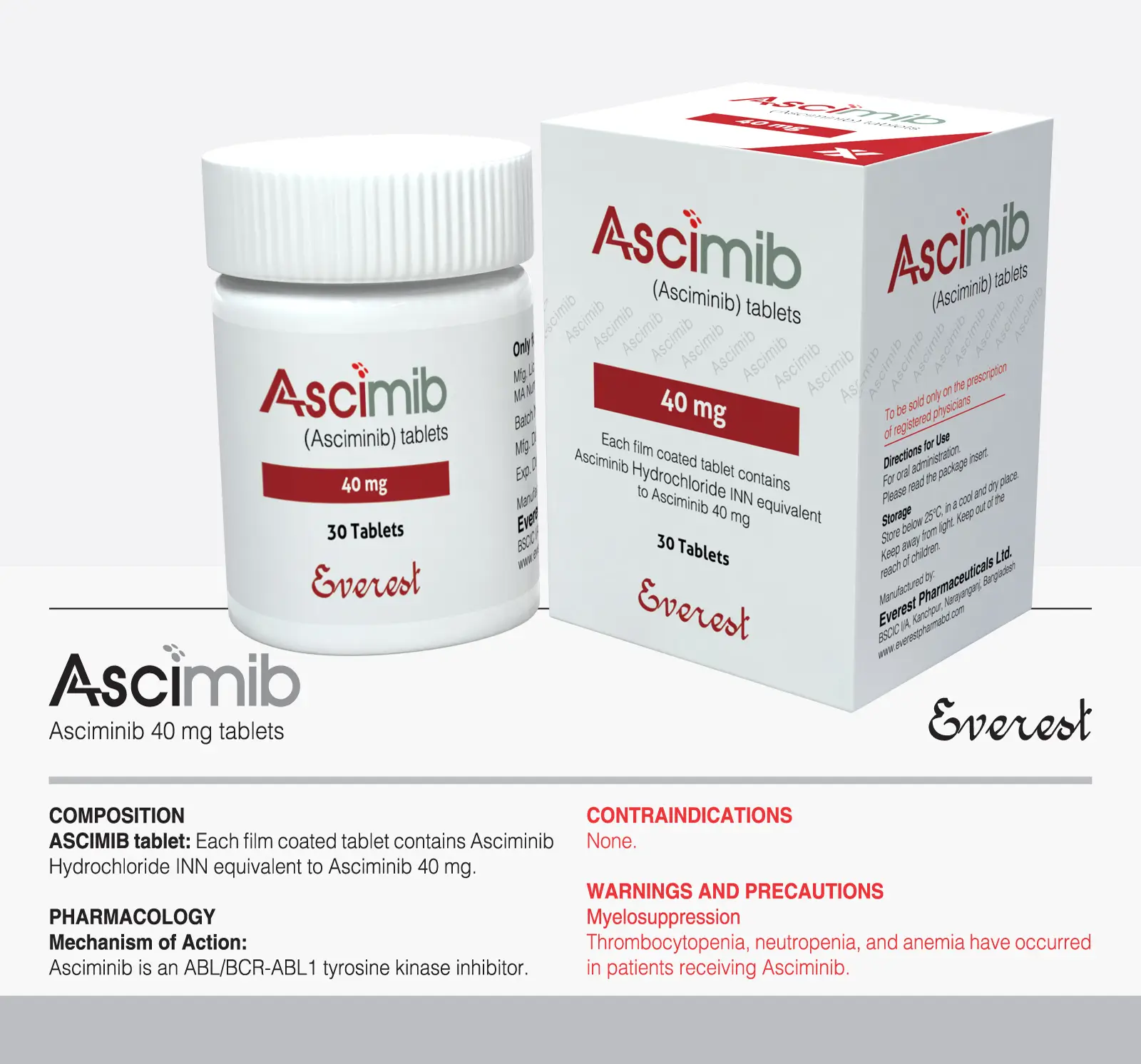
ASCIMIB 40 MG (Asciminib)
If you’ve been prescribed ASCIMIB 40 mg, you’re probably dealing with a condition that already comes with a lot of medical jargon, a lot of monitoring, and a lot of “why this drug instead of that one?”
So let’s make this simple.
ASCIMIB 40 mg is a medicine used in certain people with a specific type of blood cancer called chronic myeloid leukemia (CML). It’s not a general chemo drug, and it’s not a “one size fits all” cancer medicine. It’s a targeted therapy with a fairly unique mechanism compared with many older CML treatments.
In this guide, I’ll walk you through what ASCIMIB 40 mg is, why it’s used, how it’s usually taken, what side effects to watch for, what interactions matter, and the practical questions that come up once you actually start living with the prescription.
What is ASCIMIB 40 mg?
ASCIMIB is the drug name commonly associated with asciminib, a targeted therapy used for CML. The “40 mg” refers to the strength of the tablet.
CML is usually driven by an abnormal gene fusion called BCR-ABL1 (often referred to as the Philadelphia chromosome). That fusion produces a protein that behaves like a stuck accelerator pedal, signaling cells to grow and divide when they shouldn’t.
Many CML medications work by blocking the BCR-ABL1 protein using a class of drugs called tyrosine kinase inhibitors (TKIs).
What makes asciminib different is that it’s designed to bind to a specific site on the ABL portion of the protein (often described as the “myristoyl pocket”), rather than binding in the same way many classic TKIs do. In real-life terms, it’s a different way of turning down the cancer-driving signal, and that difference is exactly why it can be useful in people who have already tried other TKIs.
What is ASCIMIB 40 mg used for?
ASCIMIB 40 mg is used to treat Philadelphia chromosome-positive chronic myeloid leukemia (Ph+ CML), typically in the chronic phase, in certain situations determined by your specialist.
In practice, it’s often considered when:
You have tried other TKIs and they either did not work well enough (resistance) or caused side effects that made them hard to continue (intolerance). Your oncologist or hematologist will base this on your response tests, side effects, mutation testing (when relevant), and overall risk profile.
Because treatment pathways in CML are highly individualized, it’s normal if your plan does not look like someone else’s plan, even if both of you have “CML” on paper.
How ASCIMIB 40 mg is usually taken
Your exact regimen should come from your prescribing team, but ASCIMIB 40 mg is commonly taken as an oral tablet on a schedule your doctor specifies.
A few practical points matter a lot with this medication:
First, try to take it at the same time each day (or on the same schedule if you’re dosing more than once daily). Consistency helps your body maintain steady drug levels and makes it easier to track side effects.
Second, follow any instructions about food carefully. With some targeted cancer therapies, food can change how the drug is absorbed. If your pharmacist or clinician gives you specific guidance (for example, take on an empty stomach, or avoid taking with certain foods), take that seriously and don’t improvise.
Third, swallow tablets exactly as directed. Don’t crush, split, or chew unless you’ve been explicitly told it’s acceptable.
If you miss a dose, don’t “double up” automatically. The safest move is to follow the missed-dose instructions provided by your oncology team or the medication guide, or call your pharmacist if you’re unsure.
What monitoring you should expect
One of the most important things to understand about CML treatment is that the medication is only half the story. The other half is monitoring.
Your team will likely check:
Your complete blood counts (CBC) to see how your white cells, red cells, and platelets are responding. Your BCR-ABL1 levels (often by PCR testing) to measure how well the leukemia is being controlled at a molecular level. Your liver enzymes, pancreatic enzymes, and other chemistry labs depending on your baseline health and how you tolerate therapy.
Monitoring isn’t there to “catch you doing something wrong.” It’s how clinicians confirm the drug is working and detect side effects early, before they become bigger problems.
Common side effects of ASCIMIB 40 mg (and what they feel like in real life)
Side effects vary person to person. Some people do well with minimal disruption. Others need dose adjustments, supportive meds, or a switch.
That said, there are patterns people commonly report with targeted therapies like asciminib. Depending on the individual, side effects may include:
Fatigue, which can be mild tiredness or a more persistent “low battery” feeling. Nausea or stomach upset, sometimes with decreased appetite. Headache. Muscle or joint aches. Changes in blood counts, which might show up on labs before you feel anything, but can sometimes cause symptoms like easy bruising, infections, or shortness of breath. Lab changes that suggest inflammation or irritation in certain organs, which is one reason regular bloodwork matters.
If you’re trying to decide whether something is “normal” versus “call the clinic,” a good rule is this: if a symptom is new, worsening, persistent, or scary, bring it up. You’re not being difficult, you’re being safe.
ASCIMIB 40 mg Side effects that need faster attention
Some side effects are less common but more urgent. Contact your care team promptly (or seek urgent care depending on severity) if you develop symptoms such as:
Severe abdominal pain, especially if it’s persistent or comes with nausea/vomiting. Chest pain, shortness of breath, fainting, or a racing/irregular heartbeat. Fever or signs of infection, especially if your blood counts are low. Unusual bleeding or bruising. Severe headache, confusion, vision changes, or neurological symptoms.
Your clinic may give you a “when to call” sheet. Keep it somewhere easy to find, because you don’t want to be hunting for it when you feel unwell.
Drug interactions: what to be careful about
This part is easy to overlook, and it’s one of the biggest ways people accidentally make treatment harder.
ASCIMIB can interact with other medicines. Some interactions affect how your body metabolizes the drug, potentially raising levels and side effects, or lowering levels and effectiveness.
Make sure your oncology team knows about everything you take, including:
Prescription medications from other doctors. Over-the-counter painkillers, cold medicines, heartburn medicines, and antihistamines. Supplements and “natural” products, including herbal blends.
One specific category worth highlighting is anything that strongly affects drug-metabolizing enzymes (often discussed as CYP-related interactions). Another common real-world issue is grapefruit and certain citrus products, which can interfere with metabolism for some medications. Whether that applies to your exact regimen is something your pharmacist can confirm quickly.
The best habit you can build is simple: before starting anything new, even a supplement, ask your oncology pharmacist or clinic.
Alcohol, smoking, and lifestyle basics
People often want a straight yes or no on alcohol. In reality, it depends on your liver function, your lab trends, what other medications you’re on, and how you tolerate treatment. Some people can have occasional alcohol safely, others are advised to avoid it. Don’t guess. Ask your clinician based on your labs.
Smoking is generally discouraged, not only for cancer risk but because it can worsen cardiovascular health and recovery, and CML care increasingly considers long-term health alongside leukemia control.
The lifestyle habits that tend to help most people on ASCIMIB are not glamorous, but they work: hydration, regular meals if nausea allows, gentle activity, sleep routines, and treating side effects early rather than trying to “tough it out.”
Pregnancy, fertility, and breastfeeding considerations
If there is any chance you could become pregnant, or if you are planning a pregnancy, bring it up before starting or while taking ASCIMIB. Many cancer therapies have potential risks during pregnancy, and planning ahead matters.
Similarly, breastfeeding may not be recommended during treatment with certain targeted therapies. Your clinician can guide you with the most appropriate, up-to-date recommendations for your situation.
If fertility preservation is relevant, it’s worth discussing early. Even if you’re not sure you want kids, having the conversation early keeps options open.
What if you’re switching from another CML drug?
Switching CML medications is common. Sometimes it’s because the previous TKI didn’t get you to the response milestone your doctor wanted. Sometimes it’s because you did respond, but the side effects were too disruptive.
If you’re switching to ASCIMIB 40 mg, ask your clinician:
What response milestone are we targeting next, and by when? Will I have a washout period between medications? Which side effects from the old drug might improve, and what new ones should I watch for? When is my next PCR test and CBC?
Having those answers makes the first few months feel much less uncertain.
How long does it take to work?
People usually want to “feel” the drug working. In CML, that’s not always how it goes. The real proof is in your blood tests and molecular monitoring.
You may see blood counts improve earlier, while deeper molecular responses take longer. Your clinician will interpret progress based on standardized response milestones and your individual history.
If you don’t hit a milestone exactly on schedule, it doesn’t automatically mean failure. It means your specialist will look at the trend, consider adherence, consider mutation testing (if relevant), and decide whether to stay the course or adjust.
Practical tips for taking ASCIMIB 40 mg without it taking over your life
Most people do best when they create a simple system and stick to it. You do not need a perfect routine, you just need a reliable one.
Here are a few habits that genuinely help:
- Keep one primary medication time (and set an alarm you don’t ignore).
- Use a pill organizer if you take multiple meds, but keep the original bottle and label for reference.
- Keep a short symptom log for the first month: fatigue, nausea, headaches, bruising, fevers, anything new. This makes clinic visits much more productive.
Also, don’t underestimate how helpful it is to have one “medication buddy,” a person who knows what you’re taking and can support you if you feel unwell.
When to call your doctor vs. when to wait
A lot of patients hesitate to call because they don’t want to be dramatic. But oncology teams would rather hear from you early.
Call sooner rather than later if:
Your symptoms are worsening over days. You have a fever, signs of infection, unusual bleeding, or severe pain. You can’t keep food or fluids down. You feel something is off in a way you can’t explain.
If it’s mild and stable, it can often wait for your next scheduled check-in, but it’s always acceptable to message your clinic for guidance.
The bottom line
ASCIMIB 40 mg (Asciminib) is a targeted treatment for Philadelphia chromosome-positive CML, often used when other TKIs were not a good fit due to resistance or intolerance. It’s taken orally, it requires consistent monitoring, and it can be very effective when matched to the right patient and followed closely.
The most important thing you can do is take it exactly as prescribed, keep your lab appointments, and report side effects early. CML treatment is a long game, and the goal is not just response on paper, but a plan you can actually live with.
If you tell me your diagnosis details (CML phase, prior TKIs you’ve tried, and what your doctor said about the goal), I can help you turn this into a more personalized “what to expect in the next 90 days” checklist you can use for appointments.
Ascimib 40 mg (Asciminib): Uses, Dosage, Side Effects
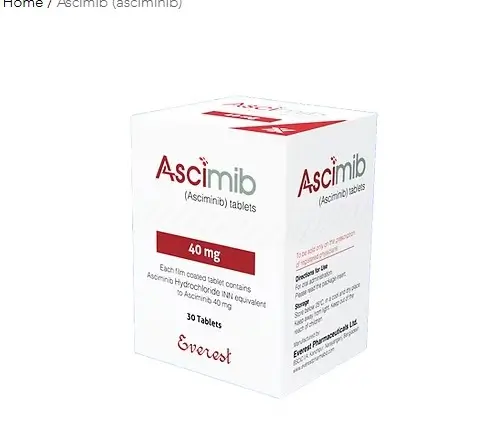
Ascimib 40 mg (Asciminib) is a targeted therapy for Philadelphia chromosome-positive CML. Learn uses, dosage, side effects, safe monitoring.
Product Brand: Ascimib 40 mg
Product Currency: USD
Product Price: $$
Product In-Stock: InStock
4.98