
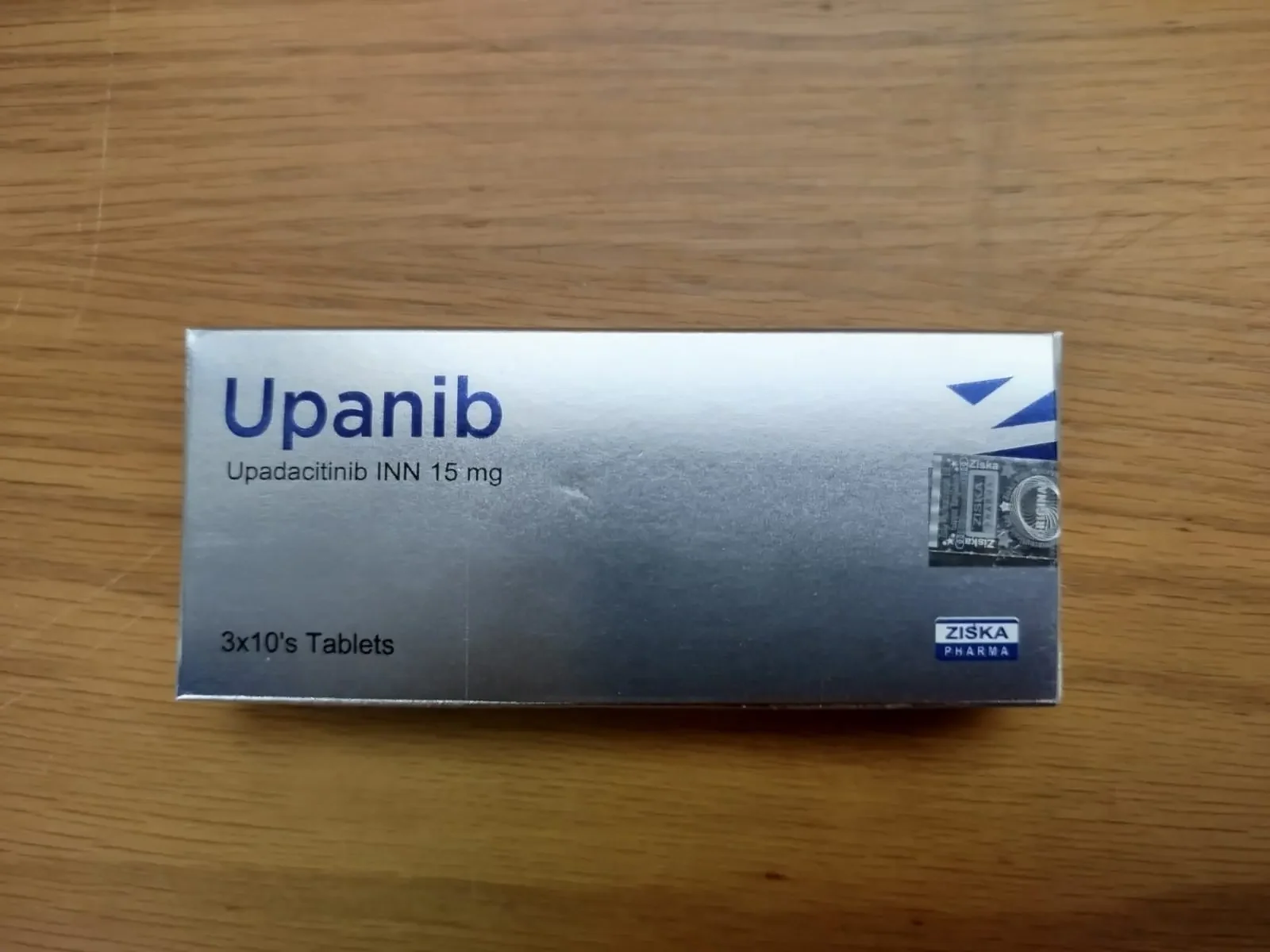


Description
Upanib 15 mg (Upadacitinib): Uses, Mechanism, Dose, Price, and Side Effects
Summary
Upanib 15 mg contains upadacitinib 15 mg and is used under specialist supervision when a doctor decides that targeted immune therapy is appropriate. Upanib is an oral JAK inhibitor used to treat several immune-driven inflammatory diseases, including rheumatoid arthritis, psoriatic arthritis, ulcerative colitis, Crohn’s disease, ankylosing spondylitis, atopic dermatitis, and in some cases giant cell arteritis. You want to know if it actually works, what the risks are, how much it costs without insurance, and whether a generic option like Upanib 15 mg is a safe alternative if you’re in Saudi Arabia, the UAE, Qatar, or the broader GCC region.
What is Upanib 15 mg?
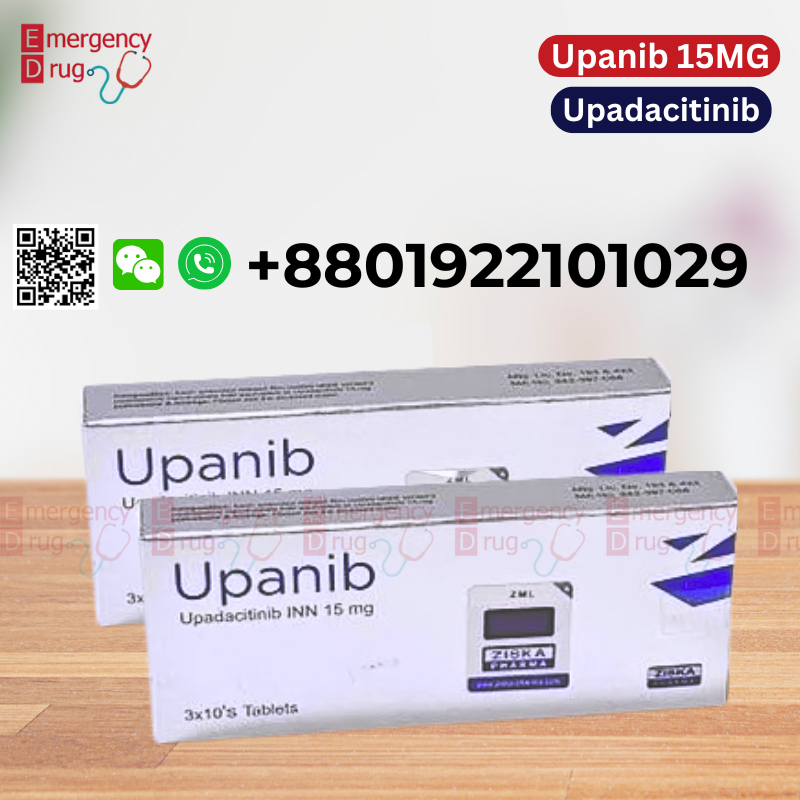
Upanib 15 mg is a tablet that contains upadacitinib 15 mg as the active ingredient. It is positioned as a targeted oral treatment option for inflammatory diseases where JAK pathway inhibition may help control symptoms and disease activity.
Patients often look for Upanib 15 mg upadacitinib tablets when they want a once-daily oral option instead of injectable therapy, or when they are exploring export supply for a doctor-prescribed medicine. It should only be used under medical supervision because the drug can affect infection risk, blood counts, liver enzymes, lipids, and cardiovascular risk.
Quick Answer: Upanib 15 mg Price & Delivery
Upadacitinib (brand name Rinvoq 15mg) costs approximately $7,000–$9,250 per 30 tablets in the United States without insurance. Generic upadacitinib 15mg is available from Emergency Drug (emergencydrug.com) as Upanib for $65 per 30-tablet pack, manufactured by Ziska Pharmaceuticals Ltd., a Bangladesh-based pharmaceutical company operating under cGMP compliance. Emergency Drug ships to Saudi Arabia, the UAE, Qatar, Kuwait, Bahrain, Oman, Jordan, Lebanon, Syria, Yemen, Egypt, Turkey, Australia, and New Zealand via DHL Express and EMS with approx. 5–20 day tracked delivery. Prescription required. Prices subject to change.
Product & Market Snapshot
| Items | Details |
|---|---|
| Product | Upanib 15mg, 30 tablets |
| Generic Name | Upadacitinib |
| Prescription required | Yes |
| Storage | Room temperature |
| Manufacturer | Ziska Pharmaceuticals Ltd. (Bangladesh, cGMP, est. 1989) |
| Brand equivalent | Rinvoq® (AbbVie) |
| Drug Class | Janus Kinase (JAK1-selective) inhibitor |
| Indications | Rheumatoid arthritis, Psoriatic arthritis, Atopic dermatitis, Ulcerative colitis, Crohn’s disease, Ankylosing spondylitis, Non-radiographic axial SpA, Polyarticular juvenile idiopathic arthritis, Giant cell arteritis, Alopecia areata |
| Emergency Drug Price | $65 per 30 tablets |
| Brand US Price (no insurance) | ~$7,000-$9,250 / 30 tablets (WAC $7,090; retail $6,900-$9,250 depending on pharmacy) |
| Approx. Saving | ~99% |
| Availability | Available for international delivery to all 14 listed countries |
| Target Markets | Saudi Arabia, UAE, Qatar, Kuwait, Bahrain, Oman, Yemen, Jordan, Lebanon, Syria, Egypt, Turkey, Australia, New Zealand |
Upadacitinib brand name
The best-known upadacitinib brand name is Rinvoq. In regulated markets, patients may see the medicine listed under Rinvoq prescribing information or Rinvoq upadacitinib FDA label documents. In export and international pharmacy channels, patients may also encounter branded generics or alternative trade names such as Upanib 15 mg.
Upanib 15 mg drug class
Upanib 15 mg drug class:
- Janus kinase inhibitor (JAK inhibitor)
- Often described as a selective JAK1 inhibitor
- Falls under advanced immunomodulatory therapy for autoimmune and inflammatory disease
Is Upanib 15 mg an immunosuppressant?
Yes. Upanib 15 mg is an immunosuppressant or immune-modulating medicine because it reduces parts of the immune response that drive inflammation. That is why it can be very effective, but it also explains the infection and safety warnings.
Upanib 15 mg Mechanism of Action and Target
Upanib 15 mg MOA
The upanib 15 mg mechanism of action centers on selective inhibition of JAK1. Here is the simplified pathway:
- Cytokines bind to cell-surface receptors. Inflammatory cytokines (IL-6, IL-2, IFN-γ, and others) bind to receptors on immune cells.
- JAK1 is activated. This activates intracellular JAK proteins, particularly JAK1.
- STAT proteins are phosphorylated. Activated JAKs phosphorylate STAT proteins, which travel to the cell nucleus.
- Gene transcription produces inflammatory mediators. This drives the production of pro-inflammatory molecules that damage tissues in RA, atopic dermatitis, Crohn’s disease, and other conditions.
- Upadacitinib blocks JAK1. By blocking this step, upadacitinib interrupts the cascade — reducing inflammation without shutting down the entire immune system.
Why JAK1 selectivity matters: Earlier JAK inhibitors (like tofacitinib) blocked multiple JAKs (JAK1, JAK2, JAK3). Broad JAK2 inhibition can impair red blood cell production. Upadacitinib’s preferential JAK1 selectivity is designed to deliver strong anti-inflammatory effects while limiting off-target effects — a key reason it has been approved across such a wide range of conditions.
How does upadacitinib work for rheumatoid arthritis?
Upadacitinib blocks JAK1, a protein that activates inflammation inside immune cells. By inhibiting JAK1, it reduces the production of inflammatory chemicals that damage joints in rheumatoid arthritis.
What Is Upadacitinib Used For?
Patients often ask what is upadacitinib used for. The answer depends on the country, the exact label, and the specialist’s treatment plan, but upadacitinib now has a broad inflammatory disease footprint.
FDA upadacitinib uses and major approved indications
Current high-authority label and manufacturer sources show that upadacitinib is used for multiple inflammatory conditions, including rheumatoid arthritis, psoriatic arthritis, atopic dermatitis, ulcerative colitis, Crohn’s disease, ankylosing spondylitis, non-radiographic axial spondyloarthritis, juvenile arthritis indications, and giant cell arteritis in approved settings.
Conditions where upadacitinib may be used
1) Rheumatoid Arthritis
Used in adults with moderate to severe rheumatoid arthritis when TNF blockers or other treatments have not worked well enough or were not tolerated. It helps reduce joint pain, swelling, morning stiffness, and progression of inflammatory burden.
2) Psoriatic Arthritis
Used in active psoriatic arthritis to improve joint symptoms, stiffness, function, and in some cases extra-articular inflammatory burden.
3) Crohn’s Disease
Upadacitinib for Crohn’s disease is a major search driver because it became the first approved oral treatment for adults with moderately to severely active Crohn’s disease in a defined FDA setting. Induction starts at a higher dose, then steps down to maintenance.
4) Ulcerative Colitis
Used for adults with moderate to severe UC when prior therapies have failed or are not suitable. Label-based dosing typically uses a higher induction dose followed by maintenance dosing.
5) Atopic Dermatitis
Upadacitinib is used for moderate to severe atopic dermatitis in appropriate patients, especially when topical therapy is not enough and a systemic option is needed.
6) Ankylosing spondylitis and non-radiographic axial spondyloarthritis
Upadacitinib can reduce spinal pain, stiffness, and inflammatory symptoms in selected adults with axial disease.
7) Giant Cell Arteritis
Current brand information now includes giant cell arteritis among uses in approved markets. Because this is a high-stakes diagnosis with vision risk, treatment decisions must stay tightly specialist-led.
8) Alopecia Areata
This is where users often see mixed information online. Upadacitinib alopecia areata is a strong research and community-interest topic, but it is not the same as saying it is approved everywhere for alopecia areata. Trial data and patient discussions are promising, especially in severe alopecia areata, but this use may still be investigational or region-specific depending on the time and market. If you are searching upadacitinib for alopecia areata, do not self-start therapy based on social posts alone. Ask a dermatologist who manages hair-loss immunotherapy.
Upanib 15 mg Dose and How Upanib 15 mg Is Used
Upadacitinib dose basics
The correct upadacitinib dose depends on:
- the disease being treated
- severity of disease
- liver function and kidney function
- infection history
- age
- concurrent medicines
- the official label in the patient’s country
Important: The dose information below is educational and should not replace a doctor’s prescription.
Upadacitinib 15 mg dose
Upanib 15 mg is one of the most commonly used strengths and is often the standard dose in rheumatology indications.
⚠ Upanib 15 mg Boxed Warning — What You Must Know
The FDA upadacitinib prescribing information carries a Black Box Warning – the strongest safety notice the FDA issues. This warning was significantly updated in September 2021 based on safety data from a large tofacitinib trial (the ORAL Surveillance study). Because upadacitinib shares a mechanism with tofacitinib, the FDA applied similar precautions.
The upadacitinib boxed warning covers five risks:
1. Serious Infections
Upadacitinib suppresses the immune system. Serious and potentially fatal infections including pneumonia, cellulitis, tuberculosis, herpes zoster (shingles), and fungal infections have been reported. Test for tuberculosis before starting. Avoid the drug during any active infection.
2. Mortality
In RA patients aged 50 or older with at least one cardiovascular risk factor, a higher rate of all-cause mortality including sudden cardiovascular death was observed with JAK inhibitors versus TNF blockers.
3. Malignancy (Cancer Risk)
Upadacitinib cancer risk includes lymphoma, lung cancer, and skin cancer. Perform regular skin exams. The drug is not recommended for patients with a current malignancy other than successfully treated nonmelanoma skin cancer.
4. Major Adverse Cardiovascular Events (MACE)
A higher rate of heart attack and stroke was seen in JAK inhibitor-treated patients versus TNF blocker-treated patients, particularly in current or past smokers.
5. Thrombosis (Blood Clots)
DVT (deep vein thrombosis) and PE (pulmonary embolism) have been reported. Avoid upadacitinib in patients at high risk of thrombosis.
Bottom line for prescribers and patients: Reserve JAK inhibitors for patients who have failed or cannot tolerate at least one TNF blocker. The risk-benefit calculation matters.
How to take an Upanib 15 mg tablet
- Take once daily, unless your doctor tells you otherwise
- Take it at the same time each day
- It may usually be taken with or without food
- Swallow extended-release tablets whole unless the product information says otherwise
- Do not double a dose if you miss one unless your prescriber specifically instructs you to
Upanib 15 mg Side Effects and Safety Warnings
Like all targeted immune medicines, upadacitinib side effects range from mild and manageable to rare but serious.
Common Upanib side effects
Commonly reported effects include:
- upper respiratory symptoms
- nausea
- cough
- headache
- acne in some patients
- herpes zoster or shingles in susceptible patients
- elevated cholesterol or lipid levels
- laboratory changes such as altered liver enzymes or blood counts
These effects vary by disease, dose, and the patient’s other medicines.
Serious warnings linked to Upanib 15 mg safety
Upadacitinib safety must be discussed honestly because JAK inhibitors carry important boxed warnings and precautions. Label and manufacturer information highlight risk for:
- serious infections
- tuberculosis reactivation
- increased risk of death in certain high-risk groups
- cancer / malignancy
- major adverse cardiovascular events
- blood clots
- GI perforation in selected patients
- laboratory abnormalities such as low neutrophils, low lymphocytes, anemia, elevated liver enzymes, and increased lipids
Upanib 15 mg cancer risk
A very common search is upadacitinib cancer risk. The correct answer is careful and balanced:
- The medicine carries a warning related to malignancy risk.
- This does not mean every patient will develop cancer.
- It does mean that age, smoking history, prior cancer, cardiovascular risk, and overall immune status should be reviewed before treatment.
- The benefit of disease control must be weighed against the patient’s baseline risk.
Drug Interactions: What to Avoid
Upadacitinib interactions are largely driven by CYP3A4 metabolism
| Interaction Category | Examples | Effect | Recommendation |
|---|---|---|---|
| Strong CYP3A4 inhibitors | Itraconazole, ketoconazole, clarithromycin | Increases upadacitinib exposure | Cap dose at 15 mg; avoid 30 mg |
| Strong CYP3A4 inducers | Rifampin, phenytoin, carbamazepine | Decreases upadacitinib levels | Avoid co-administration |
| Other immunosuppressants | Azathioprine, cyclosporine | Additive immunosuppression | Avoid combination |
| Live vaccines | MMR, varicella, yellow fever, zoster | Risk of live-vaccine infection | Avoid during treatment |
| NSAIDs | Ibuprofen, naproxen, celecoxib | Possible GI perforation risk | Use with caution |
| Grapefruit products | Grapefruit juice | CYP3A4 inhibition | Avoid |
Upanib 15 mg Contraindications & Precautions
Upadacitinib Contraindications
- Hypersensitivity: to upadacitinib or any excipient in the formulation (anaphylaxis and angioedema have been reported)
- Active infections: do not initiate in patients with serious active infections
- Pregnancy: upadacitinib can cause fetal harm. Use effective contraception during treatment and for at least 4 weeks after the last dose.
- Breastfeeding: upadacitinib is excreted in breast milk in animal studies. Upanib 15 mg breastfeeding (LactMed): The NIH LactMed database advises that data in humans are insufficient. Current guidance recommends against breastfeeding during treatment and for a period after the last dose. Discuss with your healthcare provider.
- Patients with severe hepatic impairment (Child-Pugh C) — avoid use
Precautions and Monitoring
- Screen for latent or active TB before starting
- Screen for hepatitis B and C
- Monitor CBC (complete blood count): especially for lymphopenia, neutropenia, and anemia
- Monitor liver enzymes (ALT/AST): upanib 15 mg liver enzyme elevations have been reported, especially at higher doses
- Do not initiate if absolute lymphocyte count (ALC) <500 cells/mm³, ANC <1000 cells/mm³, or hemoglobin <8 g/dL
- Monitor lipid panel (LDL, HDL): JAK inhibitors can elevate lipids; treat per cardiovascular risk guidelines
Adverse Reactions
Adverse reactions (greater than or equal to 1%) are upper respiratory tract infections, nausea, cough, and pyrexia.
For a complete list of potential adverse reactions, refer to the medication’s official prescribing information.
Interaction
Upanib exposure increases when taken with strong CYP3A4 inhibitors (like as ketoconazole), requiring caution in patients on long-term treatment with these drugs. Conversely, strong CYP3A4 inducers (like as rifampin) decrease Upanib exposure, potentially reducing its effectiveness. Therefore, coadministration with strong CYP3A4 inducers is not recommended.
Storage Conditions
Store in a cool & dry place below 30° C & protect from sunlight. Keep out of reach of children.
Generic Rinvoq Price vs Upanib 15 mg Cost
Upanib 15 mg from emergencydrug.com costs $65 per 30-tablet pack – a savings of over 99% versus the US brand price. This makes Upanib the most accessible cheap JAK inhibitor for arthritis patients in regions where Rinvoq is unaffordable or unavailable.
| Option | Origin | Cost Per 30 Tablets | Availability |
|---|---|---|---|
| Rinvoq 15 mg (Brand) | Manufacturer:
AbbVie |
US pharmacy, no insurance | Approximate cost: US$7,000–$9,250. In the UAE, the cost is approximately AED 5,789–6,094 for 30 tablets. In Saudi Arabia, it is approximately SAR 4,685.40 for 30 tablets. In Qatar, the price ranges from QAR 5,430 to QAR 5,789 for 30 tablets. | US |
| Rinvoq 15 mg (with AbbVie assistance) | myAbbVie Assist (US patients) | $0–$5/month (eligible patients) | US only |
| Rinvoq price Dubai / GCC | Local pharmacies (limited) | Variable ($500–$2,000+) Approximate cost: US$7,000–$9,250. In the UAE, the cost is approximately AED 5,789–6,094 for 30 tablets. In Saudi Arabia, it is approximately SAR 4,685.40 for 30 tablets. In Qatar, the price ranges from QAR 5,430 to QAR 5,789 for 30 tablets. | Limited |
| Upanib 15 mg (Generic) | Manufacturer: Ziska Pharmaceutical Ltd. | Bangladesh | $65 | International delivery / worldwide delivery |
Monitoring & Patient Tips for Upanib 15 mg
Before You Start
- Get a TB skin test or IGRA (blood test for TB). TB reactivation is a real risk.
- Get blood tests: CBC, liver function tests (LFTs), lipids, hepatitis B/C serology.
- Discuss your full medication list with your doctor especially immunosuppressants, CYP3A4 inhibitors, and inducers.
- Make sure you are not pregnant and are using reliable contraception.
- Update all vaccines before starting no live vaccines once treatment begins.
While on Upanib 15 mg
- Take it at the same time every day. Consistency matters with extended-release tablets.
- Swallow the tablet whole. Do not crush or split.
- Monitor for signs of infection: fever, chills, persistent cough, unusual fatigue.
- Attend all scheduled blood monitoring appointments.
- Use sunscreen and protective clothing JAK inhibitors increase photosensitivity and skin cancer risk over the long term.
- Report acne early if it develops it is manageable with topical treatments.
- Avoid grapefruit and grapefruit juice grapefruit inhibits CYP3A4 and can increase upadacitinib levels.
When to Call Your Doctor Immediately
- Fever above 38.5°C / 101.3°F that does not improve in 24 hours
- Unusual shortness of breath or chest pain
- Sudden swelling, pain, or redness in one leg
- Yellowing of the skin or eyes
- Any new skin growth, mole changes, or non-healing wound
- Signs of severe allergic reaction (throat swelling, difficulty breathing)
Where to Buy Upadacinitib Online | International Delivery
Patients in the GCC countries, Australia, and New Zealand often search for a more affordable Rinvoq alternative because the brand-name medicine can be expensive, especially without insurance.
Upanib 15 mg (upadacitinib) is a generic version that offers a cost-effective option for eligible patients while containing the same active ingredient as Rinvoq. Many people looking for the generic Rinvoq price or upadacitinib price without insurance choose generic upadacitinib to reduce treatment costs. Emergency Drug provides export-only access to Upanib 15 mg with secure international shipping and competitive pricing.
One of the most common questions patients ask is, “Is generic upadacitinib as effective as Rinvoq?” . When manufactured according to approved quality standards, generic upadacitinib contains the same active ingredient and is designed to provide comparable therapeutic effects.
However, treatment should always be taken under the supervision of a healthcare professional. Like the brand-name medicine, Upanib 15 mg side effects may include upper respiratory infections, nausea, cough, headache, elevated liver enzymes, and an increased risk of serious infections in some patients.
Whether you want to buy upadacitinib online in the UAE, buy upadacitinib online in Saudi Arabia, or compare the Rinvoq cost in Australia or New Zealand, Upanib 15 mg offers a practical and affordable alternative for patients seeking long-term inflammatory disease treatment.
Buy Upanib Online | emergencydrug.com
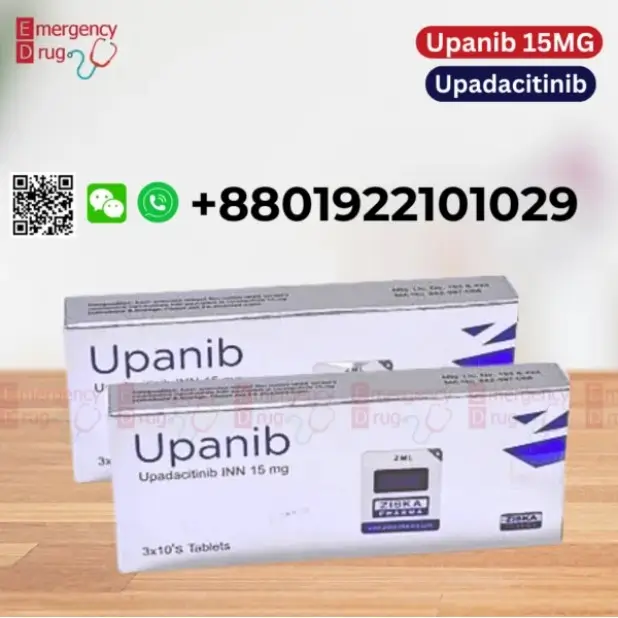
Emergency Drug (emergencydrug.com) is the authorized online distributor for Upanib 15 mg tablets (generic upadacitinib by Ziska Pharmaceuticals Ltd.). This is a prescription-required medication. You will need to upload or submit a valid prescription to complete your order.
Delivery Countries:
For patients in Saudi Arabia, Syria, Yemen, UAE, Qatar, Kuwait, Oman, Bahrain, Jordan, Lebanon, Egypt, Turkey, Australia, and New Zealand, access to affordable upadacitinib is no longer a barrier. Upanib 15 mg at $65 per pack from Emergency Drug via DHL Express or EMS makes this treatment accessible where brand Rinvoq would cost over 100 times more.
If you or a loved one has been prescribed upadacitinib and are looking for an affordable generic medicine like Upanib 15 mg, prescription-required generic option with international delivery, visit emergencydrug.com to check current availability and pricing.
We ship to most countries across the Middle East, including the United Arab Emirates (UAE), Saudi Arabia, Qatar, Kuwait, Bahrain, Oman, Jordan, Lebanon, and Turkey. DHL Express typically delivers within 4–7 business days, while EMS (Postal Express) usually takes 7–15 business days, depending on customs clearance, local postal services, and the destination country.
For Australia and New Zealand, delivery timeframes vary based on the shipping partner, flight availability, and customs processing. Therefore, the estimated shipping time will be confirmed with our logistics partner before your order is dispatched. Please note that customs inspections, public holidays, and remote delivery locations may occasionally cause additional delays.
Shipping method: DHL Express (faster, tracked) or EMS. Estimated delivery: 5–20 business days depending on destination.
Note: All orders require a valid prescription. Prices may change. Contact emergencydrug.com directly to confirm current pricing, stock, and delivery timelines before ordering.
FAQs
Conclusion
Upadacitinib (Upanib 15 mg) is one of the most versatile and evidence-backed oral immunosuppressants available today. With nine FDA-approved indications including its landmark April 2025 approval for giant cell arteritis and a growing body of clinical trial data across dermatology, gastroenterology, and rheumatology, it represents a genuine advance in targeted immune therapy.
Caveat: A prescription is required. Always consult your doctor before starting any new medication.
Medical Disclaimer: This content is for informational purposes only and does not replace professional medical advice. Always consult a licensed healthcare provider before starting, stopping, or changing any medication. A valid prescription is required to purchase Upanib 15 mg.


Reviews
There are no reviews yet.