


Description
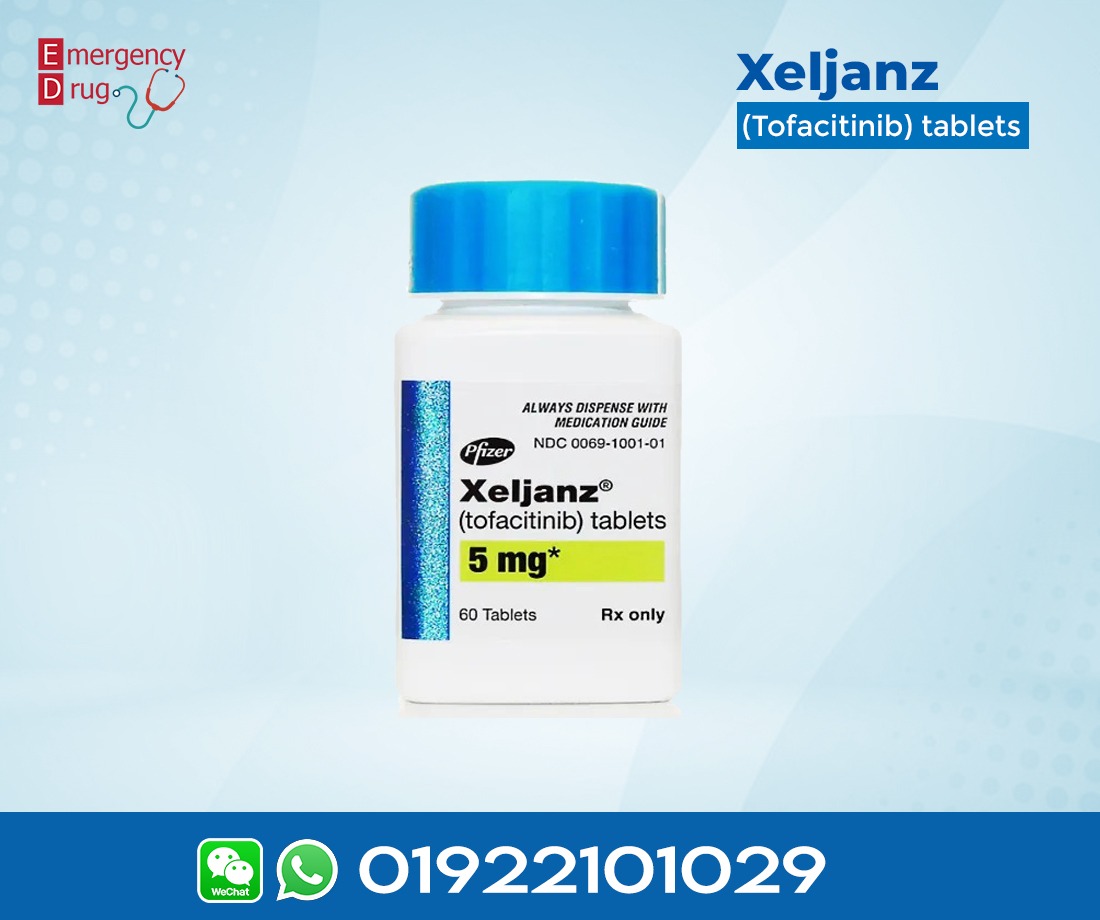
Xeljanz 5 mg: Uses, Price, Cost, Dosage, Side Effects & Product Guide
Summary:
Xeljanz 5 mg is an oral prescription medicine containing tofacitinib, a Janus kinase (JAK) inhibitor. The immediate-release Xeljanz 5 mg tablet is used for certain inflammatory conditions, including rheumatoid arthritis, psoriatic arthritis, ankylosing spondylitis, and ulcerative colitis in appropriately selected patients. Xeljanz tablets are also used in certain pediatric patients with active psoriatic arthritis or polyarticular-course juvenile idiopathic arthritis.
Important: Xeljanz is a prescription medicine with significant safety warnings. The information below is for product education and should not replace advice from a qualified healthcare professional. Always use Xeljanz according to your prescription and the applicable product labeling.
Xeljanz 5 mg at a Xeljanz 5 mg at a Glance
| Product Detail | Information |
|---|---|
| Brand | Xeljanz |
| Xeljanz generic name | Tofacitinib |
| Strength | 5 mg |
| Dosage form | Immediate-release tablet |
| Active ingredient | Tofacitinib |
| Drug class | Janus kinase (JAK) inhibitor |
| Route | Oral |
| Manufacturer | Pfizer |
| Prescription status | Prescription medicine |
| Available immediate-release strengths | 5 mg and 10 mg |
| Extended-release product | Xeljanz XR |
| Xeljanz XR strength commonly used for maintenance | 11 mg once daily |
| Main adult uses | RA, PsA, AS and UC |
| Pediatric uses | Certain patients with PsA or pcJIA |
Current U.S. prescribing information identifies Xeljanz tablets as tofacitinib products and lists 5 mg and 10 mg tablet strengths. Xeljanz XR is the extended-release formulation.
What Is Xeljanz?
Xeljanz is the brand name for tofacitinib, an oral JAK inhibitor developed for the treatment of specific inflammatory diseases.
If you are searching for the Xeljanz generic name, the answer is tofacitinib.
The medicine works by inhibiting Janus kinase enzymes involved in intracellular signaling pathways used by certain inflammatory cytokines. By modifying these signals, tofacitinib can reduce inflammatory activity associated with certain immune-mediated diseases.
Unlike injectable biologic medicines, the standard Xeljanz tablet is taken orally.
What Is Xeljanz Used For?
People commonly search xeljanz used for or xeljanz 5 mg uses when they want to know which diseases the product treats.
Current U.S. labeling includes Xeljanz for appropriately selected adult patients with:
- Moderately to severely active rheumatoid arthritis
- Active psoriatic arthritis
- Active ankylosing spondylitis
- Moderately to severely active ulcerative colitis
Xeljanz tablets are also indicated for certain pediatric patients aged 2 years and older with active psoriatic arthritis or polyarticular-course juvenile idiopathic arthritis, subject to the applicable dosing and formulation requirements.
Xeljanz 5 mg Uses
The xeljanz 5 mg uses depend on the patient’s diagnosis and treatment history.
Xeljanz 5 mg for Rheumatoid Arthritis
Xeljanz may be prescribed for adults with moderately to severely active rheumatoid arthritis who have had an inadequate response or intolerance to one or more TNF blockers under current U.S. labeling.
Rheumatoid arthritis can cause:
- Joint pain
- Swelling
- Stiffness
- Reduced physical function
- Persistent inflammatory activity
Xeljanz is intended to modify inflammatory disease activity rather than simply provide short-term pain relief.
Xeljanz 5 mg for Psoriatic Arthritis
Xeljanz is also used for adults with active psoriatic arthritis who have had an inadequate response or intolerance to one or more TNF blockers.
Psoriatic arthritis can affect joints, tendons, the spine, skin and nails. Treatment is individualized according to disease activity, previous treatments and patient-specific risk factors.
Xeljanz 5 mg for Ankylosing Spondylitis
Xeljanz is indicated for adults with active ankylosing spondylitis who have had an inadequate response or intolerance to one or more TNF blockers.
The goal of treatment is to control disease activity and improve symptoms and physical function where appropriate.
Xeljanz for Ulcerative Colitis
Xeljanz is used for adults with moderately to severely active ulcerative colitis who have had an inadequate response or intolerance to one or more TNF blockers.
Unlike some other indications, ulcerative-colitis treatment can involve a higher induction dose before maintenance therapy. Therefore, patients should not assume that every ulcerative-colitis prescription will use the 5 mg tablet throughout treatment.
Xeljanz 5 mg Tablet: Product Information
The xeljanz 5 mg tablet is an immediate-release oral tablet containing 5 mg of tofacitinib.
The product is designed for oral administration and is available separately from the extended-release Xeljanz XR formulation.
Xeljanz Tablet vs Xeljanz XR
| Feature | Xeljanz 5 mg | Xeljanz XR 11 mg |
|---|---|---|
| Active ingredient | Tofacitinib | Tofacitinib |
| Release type | Immediate release | Extended release |
| Route | Oral | Oral |
| Strength | 5 mg | 11 mg |
| Typical administration for certain adult indications | Twice daily | Once daily |
| Interchangeability | Follow prescribing instructions | Follow prescribing instructions |
The two formulations contain the same active ingredient but are designed differently. Do not change between Xeljanz and Xeljanz XR without instructions from your prescriber.
Current product information lists Xeljanz 5 mg and Xeljanz XR 11 mg as corresponding options for certain adult treatment regimens.
Xeljanz 5 mg Dosage
The appropriate dose of Xeljanz depends on the indication, age, kidney and liver function, other medicines, laboratory results and other clinical factors.
For several adult indications, the recommended immediate-release dose is 5 mg twice daily.
However, this does not mean that every patient should take Xeljanz 5 mg twice daily.
Rheumatoid Arthritis
For appropriately selected adults, the recommended regimen is:
- Xeljanz 5 mg twice daily or, where appropriate: Xeljanz XR 11 mg once daily
Psoriatic Arthritis
For appropriately selected adults:
- Xeljanz 5 mg twice daily or Xeljanz XR 11 mg once daily
Ankylosing Spondylitis
For appropriately selected adults:
- Xeljanz 5 mg twice daily or Xeljanz XR 11 mg once daily
Ulcerative Colitis
Ulcerative colitis has a different treatment schedule.
Current prescribing information specifies an induction regimen using Xeljanz 10 mg twice daily or Xeljanz XR 22 mg once daily for 8 weeks, followed by assessment of treatment response. Maintenance treatment generally uses Xeljanz 5 mg twice daily or Xeljanz XR 11 mg once daily.
Kidney and Liver Function
Dosage adjustments may be required for patients with moderate or severe renal impairment or moderate hepatic impairment.
Severe hepatic impairment is a particular prescribing consideration, and Xeljanz/Xeljanz XR is not recommended in patients with severe hepatic impairment under current U.S. labeling.
⚠️Caveat: Never change your Xeljanz dose based only on information found online.
How to Take Xeljanz 5 mg
Take Xeljanz exactly as prescribed.
The immediate-release tablet can be taken with or without food.
Important points include:
- Take your prescribed dose at the recommended times.
- Do not take more Xeljanz than prescribed.
- Do not substitute Xeljanz XR for Xeljanz 5 mg on your own.
- Tell your healthcare professional about all medicines and supplements you use.
- Follow recommended laboratory monitoring.
- Contact your healthcare professional if you develop symptoms of infection or another serious adverse reaction.
Your individual prescription takes priority over generalized dosing information.
Side Effects of Xeljanz
Understanding the side effects of Xeljanz is particularly important because this medicine affects immune signaling.
Commonly reported adverse reactions vary according to the condition being treated.
For rheumatoid arthritis and psoriatic arthritis, reported adverse reactions include:
- Upper respiratory tract infections
- Nasopharyngitis
- Diarrhea
- Headache
In ulcerative colitis studies, reported reactions included nasopharyngitis, elevated cholesterol levels, headache, upper respiratory tract infection, increased creatine phosphokinase, rash, diarrhea and herpes zoster.
Serious Xeljanz Risks
Xeljanz carries prominent warnings concerning serious infections, mortality, malignancy, major adverse cardiovascular events and thrombosis.
Serious Infections
Xeljanz can increase the risk of serious bacterial, fungal, viral and opportunistic infections, including tuberculosis.
Patients should be evaluated for tuberculosis before and during therapy as appropriate. If a serious infection develops, treatment may need to be interrupted until the infection is controlled.
Major Cardiovascular Events
Current U.S. labeling includes a warning regarding major adverse cardiovascular events, including cardiovascular death, myocardial infarction and stroke.
The risk is particularly important when assessing patients with cardiovascular risk factors.
Blood Clots
Thrombosis, including pulmonary embolism, deep venous thrombosis and arterial thrombosis, has been reported with Xeljanz.
Symptoms such as sudden chest pain, difficulty breathing or unexplained swelling and pain in a leg require urgent medical evaluation.
Malignancy
Malignancies have occurred in patients treated with Xeljanz. Current labeling identifies increased rates of certain malignancies, including lymphoma and lung cancer, in some study populations compared with TNF blockers.
These risks do not mean that every patient will experience a serious adverse event. They do mean that Xeljanz should be prescribed after an individualized assessment of benefits and risks.
Xeljanz Monitoring and Safety Checks
Before and during Xeljanz treatment, healthcare professionals may monitor:
- Complete blood counts
- Liver enzymes
- Lipid levels
- Tuberculosis status
- Signs and symptoms of infection
- Other patient-specific safety parameters
The prescribing information recommends laboratory monitoring because Xeljanz can affect lymphocytes, neutrophils, hemoglobin, liver enzymes and lipids.
Patients should tell their healthcare professional about previous infections, tuberculosis exposure, cancer, cardiovascular disease, blood clots and other relevant medical conditions.
Xeljanz Drug Interactions
Xeljanz can interact with other medicines, including drugs that affect CYP3A4 and CYP2C19.
Your doctor or pharmacist should review your complete medication list before treatment.
Particularly important categories include:
- Certain CYP3A4 inhibitors
- Certain CYP3A4 inducers
- Biologic DMARDs
- Potent immunosuppressants
Current labeling does not recommend combining Xeljanz/Xeljanz XR with biologic DMARDs or potent immunosuppressants such as azathioprine and cyclosporine for several labeled indications.
Do not start a prescription, over-the-counter medicine or supplement without checking whether it is appropriate with your treatment.
Xeljanz and Vaccines
Because Xeljanz modifies immune function, vaccination status should be reviewed before treatment.
Live vaccines should be avoided while receiving Xeljanz/Xeljanz XR according to current prescribing information.
Ask your healthcare professional which vaccinations are appropriate before and during treatment.
Xeljanz Cost: What Determines the Price?
The xeljanz cost can vary considerably depending on where the medicine is purchased and how it is supplied.
Factors affecting the xeljanz price can include:
- Country
- Pharmacy
- Insurance coverage
- Prescription quantity
- Brand versus authorized generic availability
- Patient assistance or savings programs
- Local regulations
- Dispensing fees
For this reason, there is no single worldwide Xeljanz cost that applies to every patient.
Xeljanz Cost Per Month
The xeljanz cost per month depends primarily on the prescribed dose, tablet quantity, pharmacy price and insurance or assistance coverage.
A monthly supply for a patient taking 5 mg twice daily would generally contain more tablets than a regimen taken once daily, but actual costs vary between markets.
When comparing a Xeljanz cost per month, always compare the same:
- Strength
- Formulation
- Tablet quantity
- Manufacturer
- Pharmacy or supplier
- Insurance terms
A monthly price without the tablet quantity can be misleading.
Xeljanz 5 mg Price
The xeljanz 5 mg price varies by market and purchasing channel. The normal price is $4500.
This distinction matters because a low advertised unit price may not represent the actual monthly treatment cost.
Xeljanz 5 mg Cost
The xeljanz 5 mg cost should be evaluated using the actual quantity prescribed rather than a single tablet price.
For example, if a patient is prescribed Xeljanz 5 mg twice daily, the monthly requirement is different from a once-daily regimen.
The most reliable way to determine your actual Xeljanz 5 mg cost is to obtain a current quotation from a licensed pharmacy using the exact prescription and quantity.
Xeljanz 5 mg Tablet Price: What to Check Before Buying
When comparing the xeljanz 5 mg tablet price, don’t look at price alone.
Check:
- Product name
- Active ingredient
- Strength
- Formulation
- Tablet quantity
- Manufacturer
- Expiration date
- Packaging
- Pharmacy credentials
- Prescription requirements
A prescription medicine offered at an unusually low price should be evaluated carefully. Product authenticity and legal supply are more important than obtaining the lowest advertised price.
Xeljanz 11 mg Price
Xeljanz 11 mg price generally relates to the extended-release Xeljanz XR formulation.
Xeljanz XR 11 mg is not simply an 11 mg version of the immediate-release Xeljanz 5 mg tablet. It is an extended-release formulation designed for once-daily administration in certain treatment regimens.
Therefore, comparing xeljanz 11 mg price directly with the price of Xeljanz 5 mg without considering formulation and dosing frequency can produce a misleading comparison.
Xeljanz 11 mg Tablet
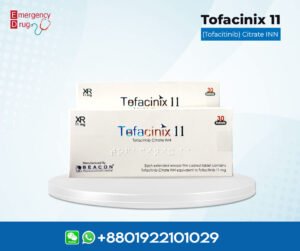
The xeljanz 11 mg tablet refers to the extended-release formulation, Xeljanz XR.
For certain adult indications, Xeljanz XR 11 mg once daily corresponds to Xeljanz 5 mg twice daily.
The formulations should not be switched without appropriate prescribing instructions.
For ulcerative colitis, Xeljanz XR 11 mg is used as a maintenance option in appropriate patients, while the induction regimen uses the higher extended-release strength of 22 mg once daily or the corresponding immediate-release regimen.
Xeljanz Tofacitinib Tablets
Xeljanz tofacitinib tablets contain tofacitinib as the active ingredient.
The immediate-release Xeljanz tablet is available in 5 mg and 10 mg strengths in the current U.S. product information.
The 5 mg tablet is particularly relevant to maintenance dosing for several adult indications, while the 10 mg tablet is used in specific situations such as induction treatment for ulcerative colitis.
Xeljanz Tablets: Brand and Formulation Information
Xeljanz tablets and Xeljanz XR tablets contain the same active ingredient but have different release characteristics.
| Product | Active ingredient | Strength | Release |
|---|---|---|---|
| Xeljanz | Tofacitinib | 5 mg | Immediate release |
| Xeljanz | Tofacitinib | 10 mg | Immediate release |
| Xeljanz XR | Tofacitinib | 11 mg | Extended release |
| Xeljanz XR | Tofacitinib | 22 mg | Extended release |
The exact strength prescribed depends on the indication and treatment stage.
Xeljanz 5: What Does It Mean?
The search term xeljanz 5 generally refers to the 5 mg immediate-release Xeljanz product.
When purchasing or discussing the product, use the complete name Xeljanz 5 mg whenever possible. This reduces confusion with:
- Xeljanz 10 mg
- Xeljanz XR 11 mg
- Xeljanz XR 22 mg
- Other tofacitinib products
The formulation and strength should always match the prescription.
Buying Xeljanz 5 mg Online
If you are searching for where to buy Xeljanz 5 mg online, verify the supplier before making a purchase.
A legitimate prescription-medicine supplier should provide transparent information about:
- Pharmacy or company identity
- Prescription requirements
- Product manufacturer
- Product strength
- Quantity
- Packaging
- Expiration information
- Applicable regulatory requirements
- Customer and pharmacy contact information
Avoid websites that offer prescription medicines without appropriate prescription controls or make claims that Xeljanz can guarantee a cure.
For safety, purchase prescription medicines through a licensed pharmacy or another legally authorized medicine supplier in your jurisdiction.
Xeljanz 5 mg vs Tofacitinib
Xeljanz is the brand name, while tofacitinib is the active ingredient.
| Term | Meaning |
|---|---|
| Xeljanz | Brand name |
| Tofacitinib | Active ingredient |
| Xeljanz 5 mg | 5 mg immediate-release product |
| Xeljanz XR 11 mg | 11 mg extended-release product |
| Tofacitinib 5 mg | Generic-name description of a 5 mg tofacitinib product |
The availability of generic tofacitinib products varies by country. A product should not be considered interchangeable with Xeljanz solely because both contain tofacitinib; formulation, regulatory approval and product specifications must also be considered.
Why Xeljanz 5 mg Is Different From an Injection
One of the main product advantages of Xeljanz is its oral tablet formulation.
Patients who are prescribed Xeljanz 5 mg do not need to administer the immediate-release product by injection.
This can be convenient for people who prefer oral medication over injectable therapies.
However, convenience does not mean the medicine is appropriate for everyone. Xeljanz carries significant safety warnings and requires individualized prescribing and monitoring.
What Makes Xeljanz 5 mg a JAK Inhibitor?
Xeljanz 5 mg belongs to a class called Janus kinase inhibitors.
JAK inhibitors work inside cells rather than functioning like conventional anti-inflammatory pain medicines.
Tofacitinib influences signaling pathways involving JAK enzymes and cytokines. This helps reduce certain immune-mediated inflammatory responses.
This mechanism is relevant to its use in diseases affecting joints, skin, the gastrointestinal tract and other tissues.
Final Product Summary
Xeljanz 5 mg is an immediate-release tofacitinib tablet used in specific treatment regimens for inflammatory diseases. Its active ingredient is tofacitinib, and it belongs to the JAK inhibitor class.
The product is available separately from Xeljanz XR, including the extended-release Xeljanz 11 mg tablet. Although both formulations contain tofacitinib, they should not be treated as interchangeable without appropriate prescribing instructions.
ℹ️Most importantly, Xeljanz has significant safety warnings. Treatment should be based on an individualized assessment by a qualified healthcare professional, with appropriate screening and monitoring.
⚠️Product information should always be checked against the current prescribing information and the packaging supplied with your medicine.
Frequently Asked Questions About Xeljanz 5 mg
- What is Xeljanz 5 mg used for?
- Is Xeljanz 5 mg a steroid?
- How often is Xeljanz 5 mg taken?
- Can I take Xeljanz 5 mg with food?
- Is Xeljanz 5 mg safe?
- Can Xeljanz 5 mg be taken with biologic medicines?
- Is Xeljanz 5 mg the same as Xeljanz XR?
- Where can I buy Xeljanz 5 mg?
- Can I drink alcohol while taking Xeljanz?
Xeljanz 5 mg: Price, Cost, Uses & What to Know Before Buying
Discover Xeljanz 5 mg price, cost, uses, tofacitinib tablet details and important safety information. Get the essential product facts before ordering.
Product Brand: Xeljanz 5 MG
Product Currency: USD
Product Price: 4500
Product In-Stock: InStock
5


Reviews
There are no reviews yet.