7 Warning Signs of Rheumatoid Arthritis Treatments That Stop Joint Damage
Miraz Hossain Khan
09 Jun, 2026
Table of Contents
7 Warning Signs of Rheumatoid Arthritis Treatments That Stop Joint Damage
Summary
Rheumatoid Arthritis (RA) is a chronic autoimmune disorder causing joint inflammation, pain, and stiffness. If untreated, it may lead to joint damage and disability. Early diagnosis and treatment with DMARDs, biologics, and JAK inhibitors like Tofacent 5mg, Barigen 4mg, Barinib 2mg, and Baricinix 2 & 4mg can slow disease progression. Alongside medication, lifestyle changes such as anti-inflammatory diets, low-impact exercises, and stress management play a crucial role in managing symptoms.
Introduction
Rheumatoid Arthritis (RA) is a painful autoimmune disease affecting over 18 million people worldwide. If you’re waking up with stiff, swollen joints or constant fatigue, you’re not alone. The good news? Early Rheumatoid Arthritis treatment with modern medications like JAK inhibitors can dramatically slow progression, reduce pain, and help you stay active.
Don’t wait until permanent joint damage sets in. Read on for symptoms, causes, the latest treatments, diet tips, exercises, and real patient-friendly advice.
Key Statistics
- Rheumatoid Arthritis-RA affects 1% of the global population
- Women are 3x more likely to develop this disease than men
- 50% of untreated patients develop permanent joint damage within 2 years
Understanding its causes, treatments, and lifestyle adaptations is crucial for effective management.
What is Rheumatoid Arthritis?
Rheumatoid Arthritis is a chronic autoimmune disorder where your immune system mistakenly attacks healthy joint tissues, causing inflammation, pain, swelling, and eventual deformity. Unlike osteoarthritis (wear-and-tear), RA is systemic—it can also affect your skin, lungs, eyes, and blood vessels.
Key RA Statistics:
- Affects about 1% of the global population
- Women are 3 times more likely than men to develop it
- Up to 50% of untreated patients suffer permanent joint damage within 2 years

7 Early Warning Signs & Symptoms of Rheumatoid Arthritis
Early detection is crucial for successful Rheumatoid Arthritis treatment. Symptoms often appear symmetrically (both sides of the body). The early signs of Rheumatoid Arthritis often mimic other conditions, making diagnosis tricky.
✅ Morning stiffness lasting more than 1 hour
✅ Swelling and tenderness in multiple joints (hands, wrists, knees)
✅ Persistent fatigue, low-grade fever, and unexplained weight loss
✅ Symmetrical joint pain
✅ Reduced range of motion and weakness
✅ Rheumatoid nodules (firm bumps under the skin)
✅ General flu-like symptoms
If these sound familiar, consult a rheumatologist immediately.
Progression of Rheumatoid Arthritis Stages

Early treatment can halt or slow disease progression.
Causes and Risk Factors for RA
While the exact cause remains unknown, a combination of genetics and environment triggers the disease:
- Genetic predisposition (e.g., HLA-DR4 gene)
- Smoking and exposure to air pollution
- Hormonal changes (explains higher rates in women)
- Obesity and poor diet
- Certain viral or bacterial infections
How Is Rheumatoid Arthritis Diagnosed?
Diagnosis involves clinical exams, blood tests (rheumatoid factor, anti-CCP), imaging (X-rays, ultrasound, MRI), and specialist evaluation. A rheumatologist often leads a multidisciplinary team including physical therapists, orthopedists, and more for comprehensive care.
👉 Early diagnosis = Better outcomes.
Best Rheumatoid Arthritis Treatments in 2026
Modern Rheumatoid Arthritis treatment focuses on reducing inflammation, preventing joint damage, and achieving remission. Options include:
1. JAK Inhibitors (Oral Targeted Therapy – Game Changers)
These convenient pills block Janus Kinase enzymes to calm the overactive immune response:
- Tofacent 5mg (Tofacitinib equivalent)
- Barigen 4mg
- Barinib 2mg
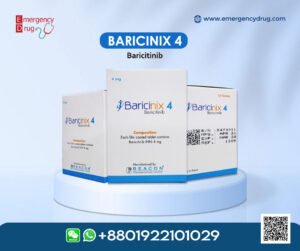
- Baricinix 2mg & 4mg (Baricitinib equivalents)
JAK inhibitors offer effective symptom relief without injections for many patients.
2. Conventional DMARDs
- Methotrexate (first-line for many)
- Sulfasalazine
- Leflunomide
3. Biologic DMARDs
- Adalimumab (Humira)
- Etanercept (Enbrel)
4. Short-Term Relief
NSAIDs (Ibuprofen, Naproxen) and low-dose steroids like Prednisone.
Always follow your rheumatologist’s guidance on dosage, monitoring for side effects (infections, liver function), and missed doses.
Lifestyle Changes That Make a Huge Difference
Medication works best with these proven strategies:
Anti-Inflammatory Diet for RA Eat more: Fatty fish (salmon, tuna), leafy greens, nuts, seeds, olive oil, turmeric. Limit: Processed foods, sugar, red meat, dairy, alcohol, and soda.
Best Exercises for Rheumatoid Arthritis Low-impact activities reduce stiffness and improve mobility:
- Swimming or water aerobics (reduces joint stress by up to 50%)
- Walking (30 minutes daily)
- Yoga or Tai Chi (improves flexibility)
- Gentle stretching and cycling
Stress Management Practice mindfulness, meditation, prioritize sleep, and join RA support groups.
Other Tips: Stay hydrated, use heat/cold therapy, consider physical/occupational therapy, and maintain a healthy weight.
Alternative & Complementary Approaches of Rheumatoid Arthritis Treatment
Some find relief with:
- Ayurvedic herbs (Turmeric/Curcumin, Boswellia)
- Acupuncture
- CBD oil (discuss with your doctor)
Alternative brands like Olumiant (Baricitinib) or Xeljanz (Tofacitinib) work similarly.
Precautions & Side Effects
Common side effects of JAK inhibitors include increased infection risk, headaches, nausea, or GI issues. Regular monitoring is essential. Avoid live vaccines and follow up with your specialist.
Expert Advice for Rheumatoid Arthritis Treatment
“Early intervention with JAK inhibitors like those in the Tofacent and Baricinix family, combined with exercise and diet, offers the best chance to halt joint damage and improve quality of life.” — Rheumatologist perspective.
Final Word: Take Control of Your Rheumatoid Arthritis Treatment Today
Rheumatoid Arthritis is manageable. With the right Rheumatoid Arthritis treatment—advanced medications, smart lifestyle choices, and professional support—you can reduce pain, prevent disability, and live fully. Early action is the key.
Consult your rheumatologist before starting or changing any treatment. Share this guide with anyone struggling with joint pain.
Frequently Asked Questions About Rheumatoid Arthritis Treatment
1. What is the best medication for Rheumatoid Arthritis?
Ans: Methotrexate remains foundational, but JAK inhibitors like Tofacent 5mg and Baricinix 4mg provide powerful options for many patients.
2. Can Rheumatoid Arthritis go into remission?
Ans: Yes—early aggressive treatment helps many patients achieve low disease activity or remission.
3. Is RA a disability?
Ans: Severe cases can lead to disability, but proper management significantly reduces this risk.
4. What foods worsen RA symptoms?
Ans: Processed foods, sugar, red meat, dairy, and alcohol often increase inflammation.
5. Can exercise really help Rheumatoid Arthritis?
Ans: Absolutely. Low-impact exercises like swimming and yoga reduce pain and stiffness.
6. Does weather affect RA pain?
Ans: Yes—cold, damp weather worsens symptoms for many (up to 70% of patients).
By Miraz Hossain Khan, Digital Health & Wellness Author, Fact-checked by: Dr. Rahat Rahman